
Australia and India have produced many memorable T20I contests, with bowlers from both teams playing an important role in controlling the scoring rate. In the shortest format of international cricket, economical bowling can put immediate pressure on batters and make it difficult for the opposition to maintain momentum. This ranking of the Best Bowling Economy Rates in an Innings by Australia vs India T20Is highlights the bowlers who delivered some of the most economical spells in matches between these two teams. The list is arranged from No. 10 to No. 1 and considers the economy rate, runs conceded, overs bowled and wickets taken.
The Best Bowling Economy Rates in an Innings by Australia vs India T20Is include performances from experienced international bowlers, all-rounders and players who produced match-changing spells. While a low economy rate is the main factor in this ranking, wickets also make these performances more significant because they show that the bowlers were able to restrict scoring while continuing to attack the opposition. From David Hussey’s outstanding 2.00 economy rate to Axar Patel’s controlled four-over spell, each performance demonstrates the importance of accuracy and pressure bowling in T20I cricket.
List of 10 Best Bowling Economy Rates in an Innings by Australia vs India T20Is
10. Axar Patel
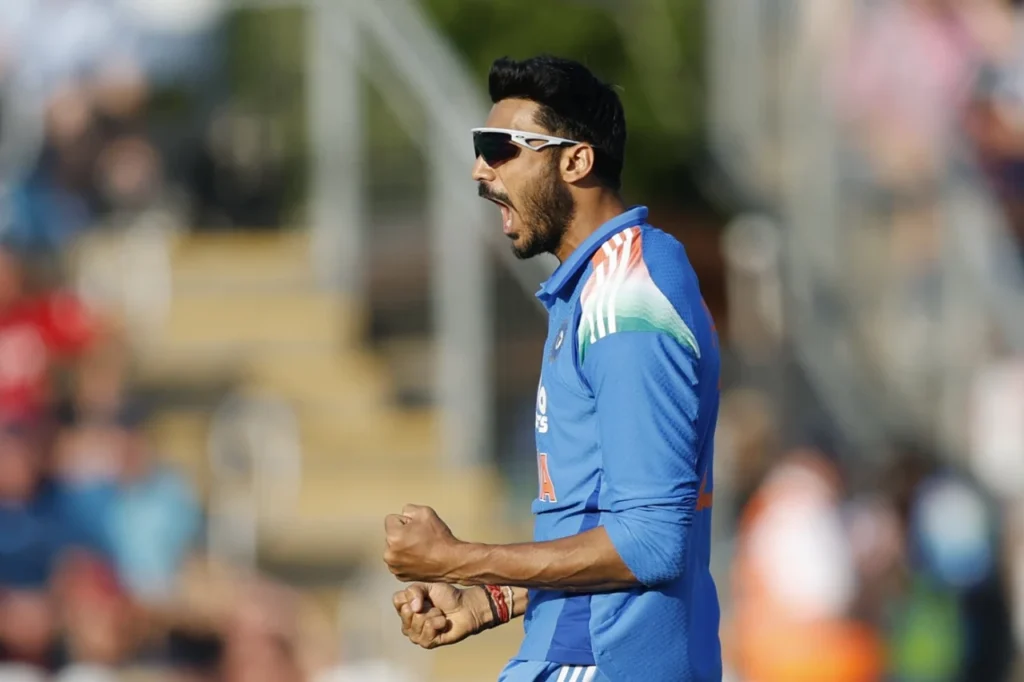
Axar Patel takes the 10th position among the Best Bowling Economy Rates in an Innings by Australia vs India T20Is. The Indian all-rounder produced an excellent spell against Australia in Bengaluru on December 3, 2023. He bowled his full four-over quota and conceded only 14 runs while taking one wicket. His economy rate of 3.50 was a strong effort in a T20I, where bowlers are regularly attacked by aggressive batters looking for boundaries.
Axar’s control throughout the spell helped prevent Australia from scoring freely. He maintained a disciplined line and length and limited the number of easy scoring opportunities available to the Australian batting lineup. By conceding only 14 runs in four overs and taking a wicket, he made a valuable contribution to India’s bowling effort. His figures therefore earn him a place in the Best Bowling Economy Rates in an Innings by Australia vs India T20Is.
| Player | Overs | Runs | Wkts | Econ |
|---|---|---|---|---|
| AR Patel | 4.0 | 14 | 1 | 3.50 |
9. James Hopes

James Hopes occupies ninth place in the Best Bowling Economy Rates in an Innings by Australia vs India T20Is. Playing for Australia against India in Melbourne on February 1, 2008, Hopes bowled three overs and conceded only 10 runs. He also took one wicket, finishing with an economy rate of 3.33. His figures were particularly impressive considering the attacking nature of T20 cricket.
Hopes managed to keep India’s scoring under control by consistently delivering economical overs. Conceding just 10 runs from three overs meant India had limited opportunities to accelerate against him. His wicket further increased the importance of the spell because it combined defensive bowling with an attacking result. This performance makes Hopes one of the notable names in the Best Bowling Economy Rates in an Innings by Australia vs India T20Is.
| Player | Overs | Runs | Wkts | Econ |
| JR Hopes | 3.0 | 10 | 1 | 3.33 |
READ MORE: Top 10 Players with the Most Catches in Australia vs India T20I Series
8. Ravichandran Ashwin

Ravichandran Ashwin ranks eighth in the Best Bowling Economy Rates in an Innings by Australia vs India T20Is after producing a superb spell against Australia in Mirpur on March 30, 2014. The Indian spinner bowled 3.2 overs, conceded only 11 runs, and took four wickets. His economy rate of 3.30 was excellent, but his four-wicket haul made the performance even more influential.
Ashwin demonstrated excellent control while also attacking Australia’s batting lineup. Taking four wickets from just 3.2 overs meant he caused significant damage while giving away very few runs. His variations and ability to change pace made it difficult for Australian batters to settle against him. The combination of 11 runs conceded and four wickets makes this a standout entry in the Best Bowling Economy Rates in an Innings by Australia vs India T20Is.
| Player | Overs | Runs | Wkts | Econ |
| R Ashwin | 3.2 | 11 | 4 | 3.30 |
7. Josh Hazlewood

Josh Hazlewood takes seventh place among the Best Bowling Economy Rates in an Innings by Australia vs India T20Is. The Australian fast bowler delivered a highly disciplined four-over spell against India in Melbourne on October 31, 2025. He conceded just 13 runs and picked up three wickets, producing an economy rate of 3.25. His figures showed excellent control under pressure.
Hazlewood’s ability to maintain a consistent line and length prevented India from finding regular boundaries. He also used his accuracy to create wicket-taking opportunities, resulting in three dismissals during the spell. Conceding only 13 runs from four overs while taking three wickets made his performance particularly effective and secured his position in the Best Bowling Economy Rates in an Innings by Australia vs India T20Is.
| Player | Overs | Runs | Wkts | Econ |
| JR Hazlewood | 4.0 | 13 | 3 | 3.25 |
6. Bhuvneshwar Kumar

Bhuvneshwar Kumar occupies sixth position in the Best Bowling Economy Rates in an Innings by Australia vs India T20Is. He produced an excellent three-over spell against Australia in Guwahati on October 10, 2017. The Indian seamer conceded only nine runs and took one wicket, finishing with an economy rate of exactly 3.00. His accuracy and ability to move the ball helped him keep Australia’s batters under control.
The spell demonstrated Bhuvneshwar’s ability to create pressure without needing to bowl his full four-over allocation. Australia managed only nine runs during his three overs, giving the Indian team valuable control during the innings. His wicket also added to the effectiveness of his performance. This economical display is one of the strong entries in the Best Bowling Economy Rates in an Innings by Australia vs India T20Is.
| Player | Overs | Runs | Wkts | Econ |
| B Kumar | 3.0 | 9 | 1 | 3.00 |
5. Jason Behrendorff

Jason Behrendorff ranks fifth among the Best Bowling Economy Rates in an Innings by Australia vs India T20Is. The Australian left-arm fast bowler produced a highly economical spell against India in Guwahati on November 28, 2023. He bowled four overs, conceded only 12 runs and took one wicket. His economy rate of 3.00 was one of the best figures recorded by an Australian bowler in the ranking.
Behrendorff’s spell was made even more impressive by the fact that he bowled a maiden over. In a T20 match, completing an over without conceding a run can place considerable pressure on the batting side. His combination of a maiden, 12 runs conceded, and one wicket made the spell extremely effective. It is therefore a deserved entry among the Best Bowling Economy Rates in an Innings by Australia vs India T20Is.
| Player | Overs | Runs | Wkts | Econ |
| JP Behrendorff | 4.0 | 12 | 1 | 3.00 |
4. S Sreesanth

S Sreesanth occupies fourth place in the Best Bowling Economy Rates in an Innings by Australia vs India T20Is. Representing India against Australia in Durban on September 22, 2007, Sreesanth completed four overs and conceded only 12 runs. He also took two wickets and bowled one maiden over, making the spell highly effective in the early era of T20 international cricket.
His figures show an excellent balance between containment and wicket-taking. Sreesanth’s economy rate of 3.00 ensured that Australia could not score freely, while his two wickets added significant pressure to the batting lineup. The maiden over further reduced Australia’s scoring opportunities and strengthened the overall value of his performance. As a result, Sreesanth remains a prominent name among the Best Bowling Economy Rates in an Innings by Australia vs India T20Is.
| Player | Overs | Runs | Wkts | Econ |
| S Sreesanth | 4.0 | 12 | 2 | 3.00 |
3. Adam Voges
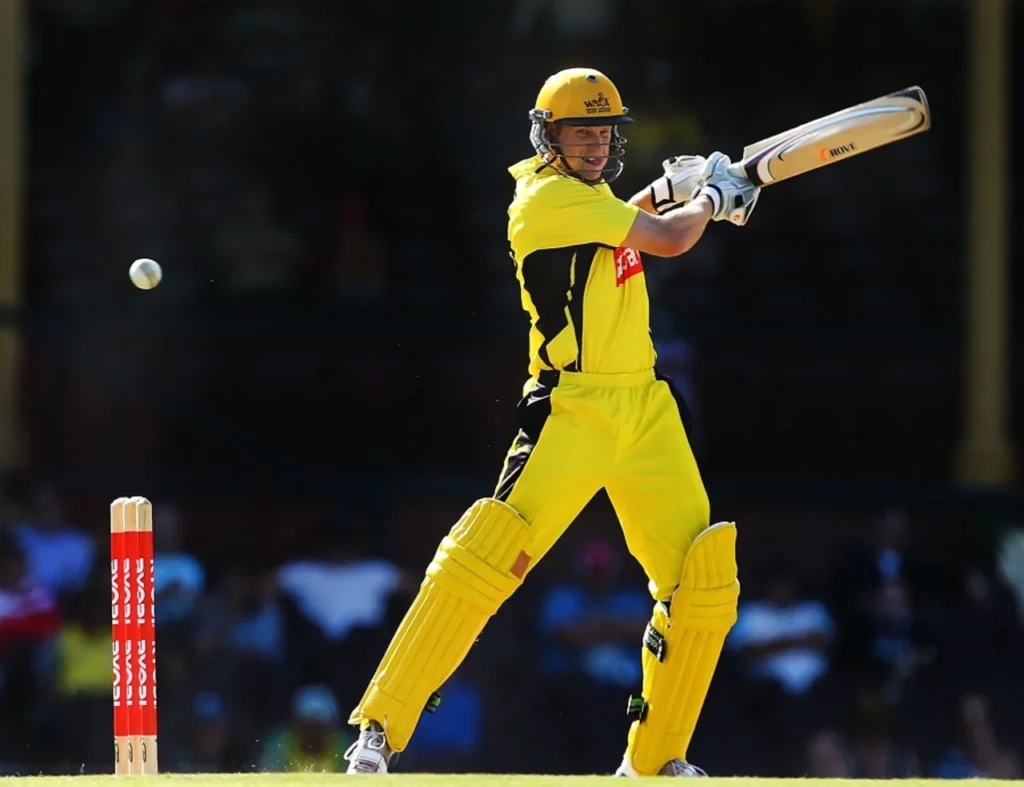
Adam Voges enters the top three of the Best Bowling Economy Rates in an Innings by Australia vs India T20Is with an economy rate of 2.50. Playing for Australia against India in Melbourne on February 1, 2008, Voges bowled two overs and conceded only five runs. He also took two wickets, making his short spell particularly productive.
Allowing only five runs from two overs is an outstanding achievement in T20 cricket, especially when the bowler also manages to take two wickets. Voges successfully restricted India’s scoring while making important breakthroughs. His ability to combine economical bowling with wicket-taking impact made this one of the most effective spells in the Australia-India T20I rivalry and earned him a place in the Best Bowling Economy Rates in an Innings by Australia vs India T20Is.
| Player | Overs | Runs | Wkts | Econ |
| AC Voges | 2.0 | 5 | 2 | 2.50 |
READ MORE: Top 10 Highest Strike Rates in an Innings by Australia vs India in T20Is
2. Bhuvneshwar Kumar
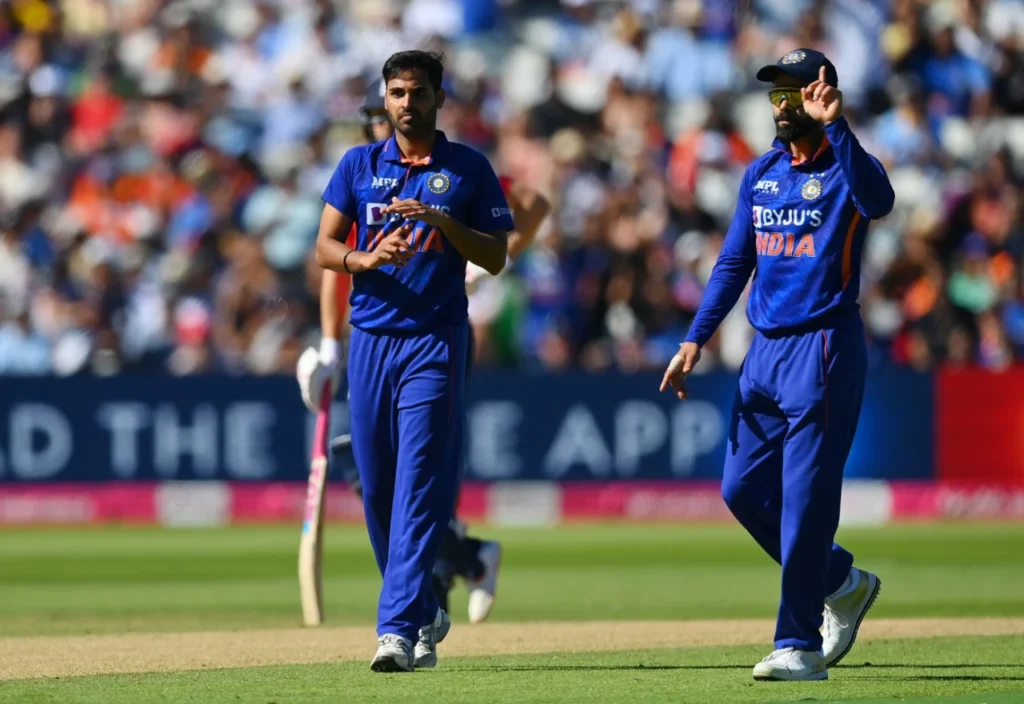
Bhuvneshwar Kumar appears for the second time in the ranking and moves up to No. 2 in the Best Bowling Economy Rates in an Innings by Australia vs India T20Is. His second outstanding spell came against Australia in Mirpur on March 30, 2014. He bowled three overs, conceded just seven runs and took one wicket, finishing with an economy rate of 2.33.
The performance demonstrated Bhuvneshwar’s exceptional accuracy and ability to keep batsmen under pressure. Australia managed only seven runs from his three overs, meaning the Indian seamer consistently denied them scoring opportunities. His wicket further increased the value of the spell and showed that he could combine containment with attacking bowling. His 2.33 economy rate places this performance second in the Best Bowling Economy Rates in an Innings by Australia vs India T20Is.
| Player | Overs | Runs | Wkts | Econ |
| B Kumar | 3.0 | 7 | 1 | 2.33 |
1. David Hussey
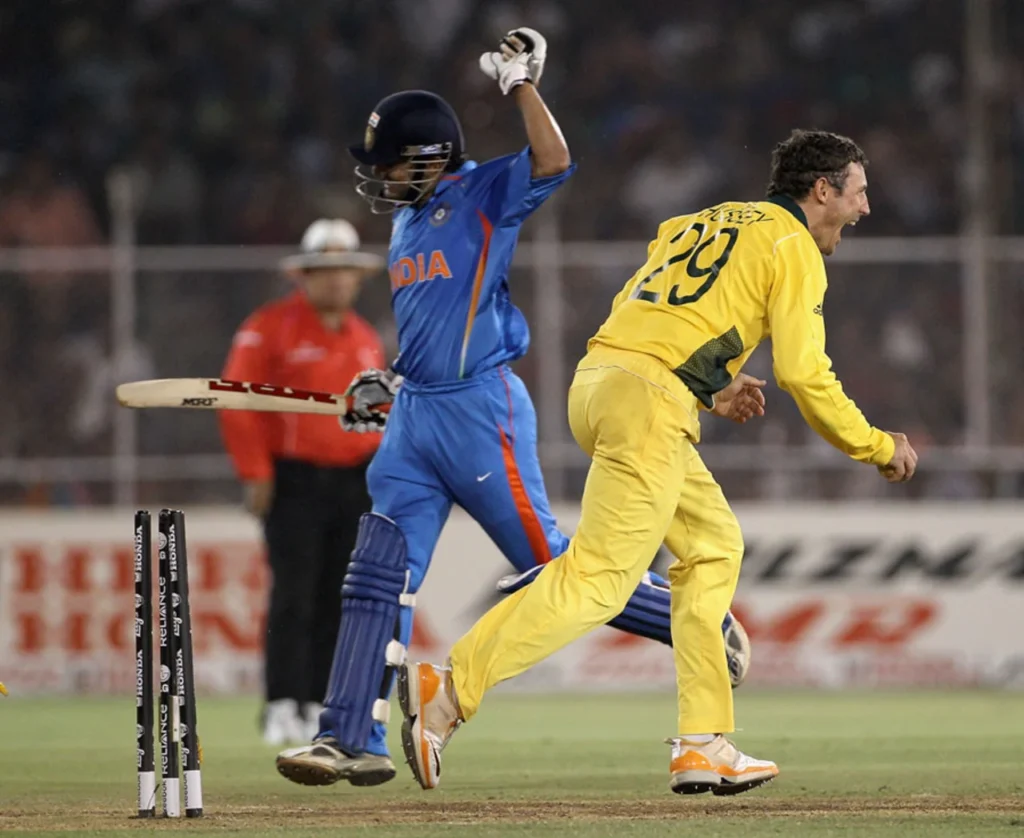
David Hussey takes the top position in the Best Bowling Economy Rates in an Innings by Australia vs India T20Is. Representing Australia against India in Sydney on February 1, 2012, Hussey bowled two overs and conceded only four runs. He also claimed two wickets, finishing with an exceptional economy rate of 2.00.
Hussey’s figures stand out because he combined extremely economical bowling with two important wickets. Allowing India to score only four runs from two overs placed enormous pressure on the batting side and prevented them from scoring at their preferred rate. His economy rate of 2.00 is the lowest in this ranking, making David Hussey the No. 1 performer among the Best Bowling Economy Rates in an Innings by Australia vs India T20Is.
| Player | Overs | Runs | Wkts | Econ |
| DJ Hussey | 2.0 | 4 | 2 | 2.00 |
The overall Best Bowling Economy Rates in an Innings by Australia vs India T20Is ranking demonstrates how important economical bowling can be in a high-pressure T20I rivalry. David Hussey leads the list with 2.00, followed by Bhuvneshwar Kumar at 2.33 and Adam Voges at 2.50. The remaining bowlers also recorded economy rates of 3.50 or lower, showing the exceptional level of control required to achieve such figures against strong international batting lineups.
The performances also demonstrate that different bowling styles can produce outstanding economy rates. Fast bowlers such as Josh Hazlewood, Jason Behrendorff, S Sreesanth and Bhuvneshwar Kumar relied on accuracy and movement, while players such as Ravichandran Ashwin and Axar Patel used variations and changes of pace. Together, these spells form a notable collection of the Best Bowling Economy Rates in an Innings by Australia vs India T20Is, with David Hussey’s 2.00 economy rate standing as the best performance in the ranking.