
The Australia vs India ODI rivalry has produced many memorable bowling performances across different generations. Some bowlers have stood out not only because of the wickets they took but also because of their remarkable ability to restrict runs. A low economy rate can put enormous pressure on a batting side, especially when the bowler maintains the same accuracy for several overs. The Best Bowling Economy Rates by Australia vs India in ODIs ranking highlights ten exceptional spells in which bowlers conceded very few runs while maintaining pressure on the opposition. These performances include both Australian and Indian bowlers, with several spells featuring maiden overs and multiple wickets. The list below is arranged from number 10 to number 1 and focuses on the best economy-rate performances from the supplied records.
List of 10 Best Bowling Economy Rates by Australia vs India in ODIs
10. GS Chappell
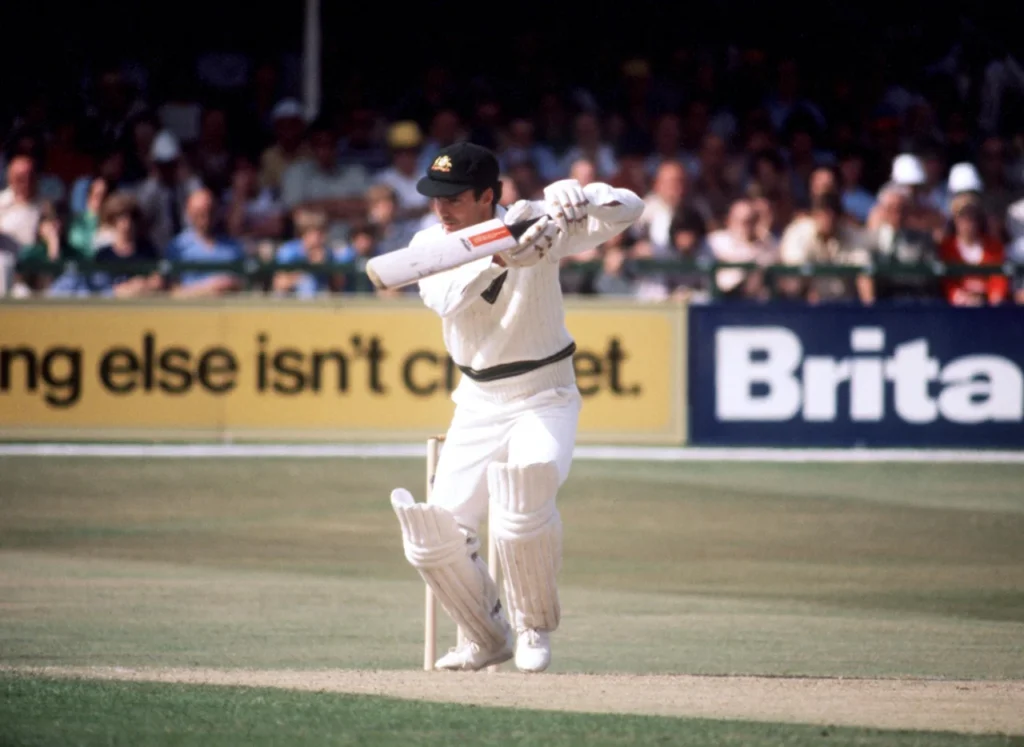
Greg Chappell takes the 10th position in the Best Bowling Economy Rates by Australia vs India in ODIs list after producing a superb spell for Australia against India at Sydney on January 8, 1981. Chappell bowled 9.5 overs and conceded only 15 runs while taking five wickets. His performance was outstanding because he combined economical bowling with a five-wicket haul. Five maiden overs also formed part of his spell, showing how effectively he restricted India’s scoring opportunities. Chappell’s ability to bowl long spells without allowing the batting side to score freely created constant pressure. His five wickets made the performance even more valuable because he was able to prevent runs while also removing important Indian batters. An economy rate of 1.52 is an excellent figure for such a lengthy spell. Among the Best Bowling Economy Rates by Australia vs India in ODIs, Chappell’s performance is a strong example of how accuracy and wicket-taking ability can work together to change the course of an ODI innings.
| Overs | Mdns | Runs | Wkts | Econ |
|---|---|---|---|---|
| 9.5 | 5 | 15 | 5 | 1.52 |
9. N Kapil Dev
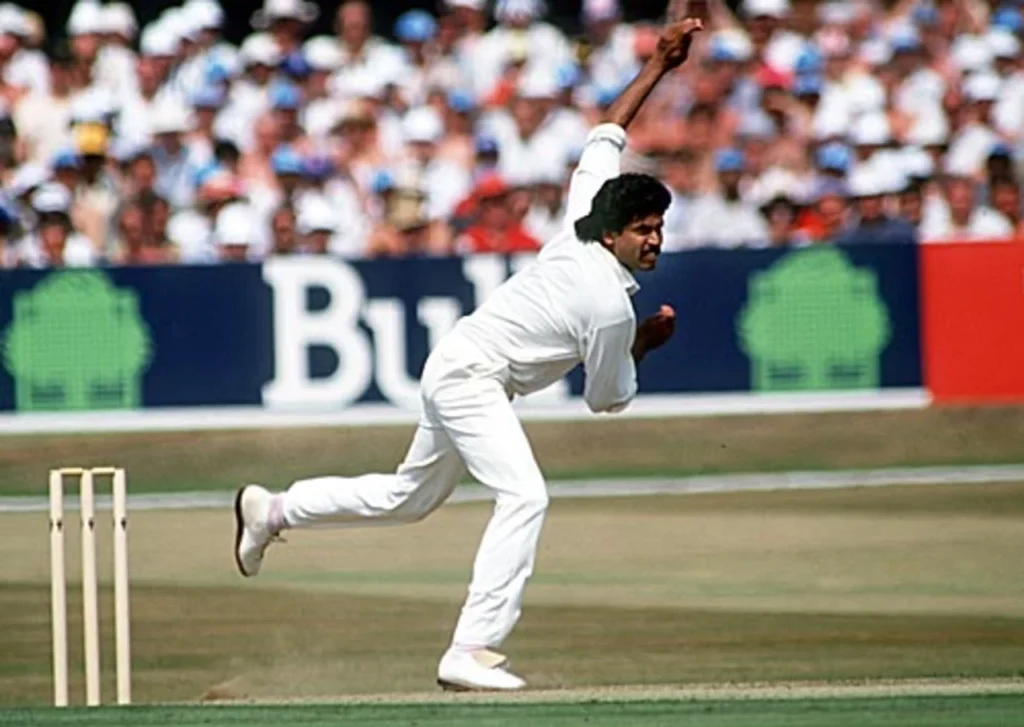
Kapil Dev occupies ninth place in the Best Bowling Economy Rates by Australia vs India in ODIs ranking following an excellent spell against Australia at Sharjah on March 29, 1985. The Indian all-rounder bowled six overs and conceded only nine runs while taking one wicket. Three maiden overs were also included in his figures, which demonstrates the control he maintained against Australia’s batting line-up. Kapil’s economy rate of 1.50 was achieved through disciplined bowling and an ability to prevent easy scoring opportunities. Although his wicket tally was lower than some of the other bowlers on this list, his contribution was still highly valuable because Australia found it difficult to score against him. Economical spells like this can influence an ODI by forcing batters to take greater risks against other bowlers. Kapil Dev’s performance therefore deserves its place among the Best Bowling Economy Rates by Australia vs India in ODIs, showing the importance of run control even when the bowler does not collect a large number of wickets.
| Overs | Mdns | Runs | Wkts | Econ |
| 6.0 | 3 | 9 | 1 | 1.50 |
READ MORE: Top 10 Best Bowling Figures in an Innings by Australia vs India in ODIs
8. RJ Shastri
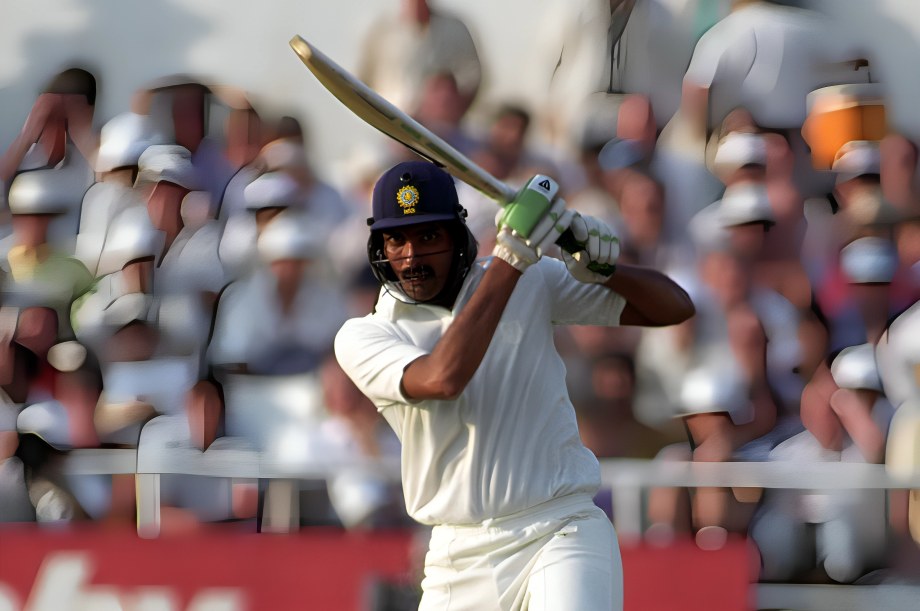
Ravi Shastri features at number eight in the Best Bowling Economy Rates by Australia vs India in ODIs after delivering a highly economical spell for India against Australia at Sharjah on March 29, 1985. Shastri bowled 9.3 overs and gave away only 14 runs while taking two wickets. His economy rate of 1.47 was particularly impressive considering that he bowled almost ten overs. He also bowled one maiden over, adding further pressure to Australia’s batting effort. Shastri’s spell showed his ability to maintain a consistent line and prevent Australia’s batters from finding regular scoring opportunities. His two wickets added an attacking dimension to an otherwise highly defensive spell. The combination of long spells, few runs, and important wickets is one of the reasons this performance appears in the Best Bowling Economy Rates by Australia vs India in ODIs ranking. It remains a notable example of controlled ODI bowling in the Australia vs India rivalry.
| Overs | Mdns | Runs | Wkts | Econ |
| 9.3 | 1 | 14 | 2 | 1.47 |
7. B Kumar

Bhuvneshwar Kumar takes seventh place in the Best Bowling Economy Rates by Australia vs India in ODIs list with an impressive performance for India against Australia at Eden Gardens on September 21, 2017. Kumar bowled 6.1 overs and conceded only nine runs while taking three wickets. His economy rate of 1.45 was outstanding, particularly in modern ODI cricket when batting teams generally look to score quickly from the beginning of an innings. Kumar also delivered two maiden overs, helping India maintain pressure on Australia’s batting line-up. His three wickets meant that his economical spell also produced important breakthroughs. The combination of low runs conceded and wickets taken made this a highly effective performance. Kumar’s spell is one of the more recent entries among the Best Bowling Economy Rates by Australia vs India in ODIs, demonstrating that excellent bowling control has remained important despite the increasingly aggressive nature of ODI batting. His accuracy and ability to strike at the right time made this spell especially valuable.
| Overs | Mdns | Runs | Wkts | Econ |
| 6.1 | 2 | 9 | 3 | 1.45 |
6. SP Davis

SP Davis occupies sixth position in the Best Bowling Economy Rates by Australia vs India in ODIs ranking after an excellent spell for Australia against India at Sydney on February 5, 1986. Davis bowled 7.4 overs and conceded only 10 runs while taking three wickets. Three maiden overs were included in his figures, highlighting the consistency of his bowling. His economy rate of 1.30 meant that India had very limited opportunities to score freely against him. Davis was able to combine pressure with wicket-taking, which made the spell particularly effective. Taking three wickets while giving away just ten runs is a strong indication that the bowler maintained control throughout his time at the crease. The performance is therefore a worthy entry in the Best Bowling Economy Rates by Australia vs India in ODIs rankings. Davis’ figures show that economical bowling can become even more influential when the bowler also regularly breaks partnerships.
| Overs | Mdns | Runs | Wkts | Econ |
| 7.4 | 3 | 10 | 3 | 1.30 |
5. JN Gillespie
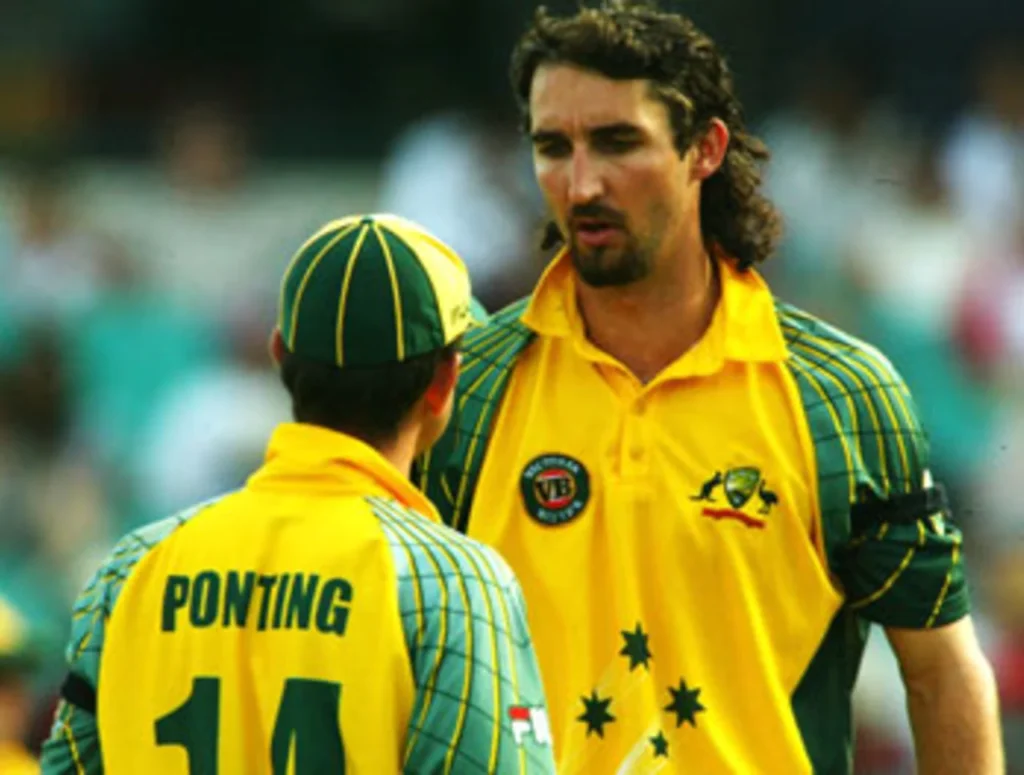
Jason Gillespie is ranked fifth in the Best Bowling Economy Rates by Australia vs India in ODIs after producing an outstanding spell against India at Centurion on February 15, 2003. Gillespie completed a full 10-over spell and conceded just 13 runs while taking three wickets. His economy rate of 1.30 was exceptional because he maintained this extremely low scoring rate over the entire bowling quota. Two maiden overs further demonstrate the control he had over India’s batting. Completing ten overs while giving away only 13 runs is a remarkable achievement in ODI cricket, where a bowler can often be targeted during the latter stages of the innings. Gillespie successfully prevented India from building momentum and also took three wickets to strengthen Australia’s position. His performance therefore ranks among the most impressive Best Bowling Economy Rates by Australia vs India in ODIs. The spell combined stamina, accuracy, pressure and wicket-taking ability over a complete 10-over allocation.
| Overs | Mdns | Runs | Wkts | Econ |
| 10.0 | 2 | 13 | 3 | 1.30 |
4. CG Rackemann
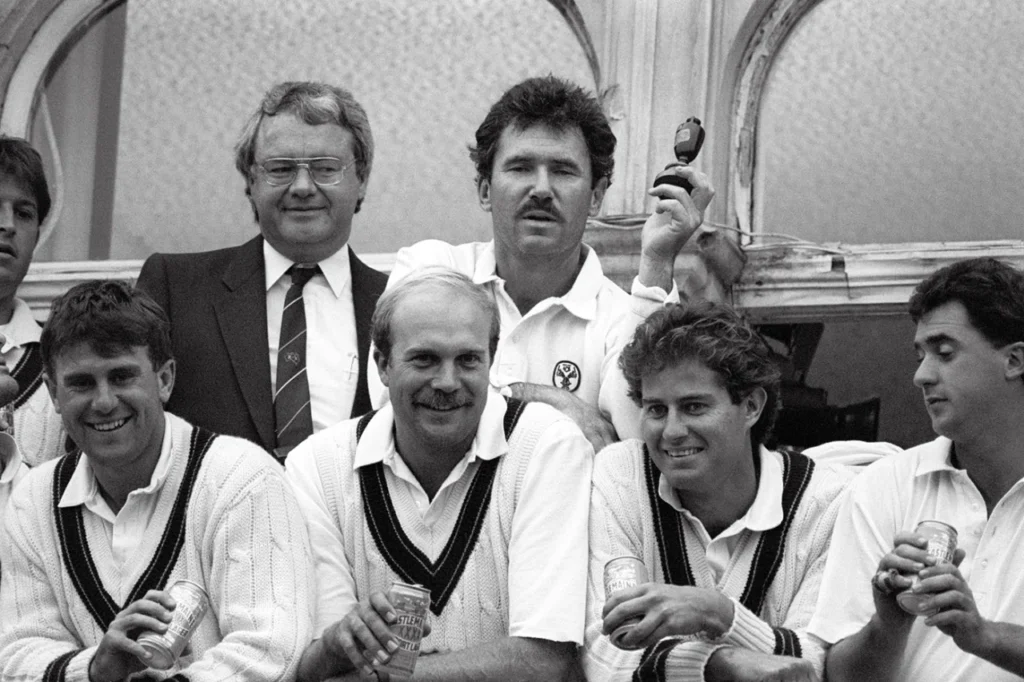
Craig Rackemann produced one of the most economical spells in the Best Bowling Economy Rates by Australia vs India in ODIs records, taking fourth place with an economy rate of just 0.87. Playing for Australia against India at Thiruvananthapuram on October 1, 1984, Rackemann bowled eight overs and conceded only seven runs while taking three wickets. Four maiden overs were part of his spell, meaning half of his eight overs were completed without conceding a run. His economy rate below one run per over demonstrates just how effectively he controlled India’s scoring. At the same time, his three wickets ensured that the spell was not simply defensive. Rackemann repeatedly created pressure and prevented India from establishing comfortable partnerships. The figures make his performance one of the strongest examples in the Best Bowling Economy Rates by Australia vs India in ODIs ranking. His ability to combine four maidens, seven runs and three wickets represents exceptional bowling discipline.
| Overs | Mdns | Runs | Wkts | Econ |
| 8.0 | 4 | 7 | 3 | 0.87 |
3. N Kapil Dev
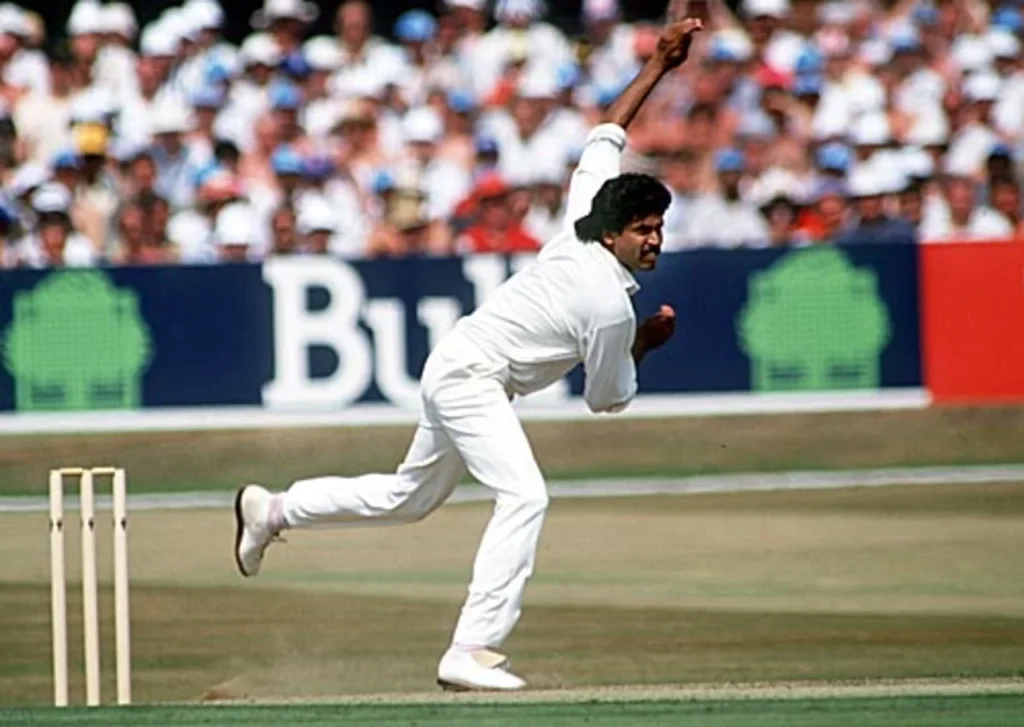
Kapil Dev appears again near the top of the Best Bowling Economy Rates by Australia vs India in ODIs list with another remarkable spell against Australia. Playing at the W.A.C.A. on December 8, 1991, Kapil bowled six overs and conceded only five runs while taking one wicket. His economy rate of 0.83 was exceptionally low and placed him among the most economical bowlers in the supplied Australia vs India ODI records. Two maiden overs were also included, helping him keep Australia’s batters under sustained pressure. Although he took only one wicket, the extremely low number of runs conceded made his spell highly effective. Kapil’s ability to restrict Australia’s scoring options forced the opposition to search for runs elsewhere and increased the pressure on other batters. His second appearance in the Best Bowling Economy Rates by Australia vs India in ODIs ranking demonstrates his consistency as an economical bowler. The performance also highlights why controlling runs can be just as valuable as collecting wickets in ODI cricket.
| Overs | Mdns | Runs | Wkts | Econ |
| 6.0 | 2 | 5 | 1 | 0.83 |
READ MORE: Top 10 Players With Most Matches for Australia vs India in ODIs
2. GD McGrath

Glenn McGrath takes the second position in the Best Bowling Economy Rates by Australia vs India in ODIs ranking after producing a sensational spell against India at Sydney on January 14, 2000. McGrath bowled the full 10 overs and conceded only eight runs while taking four wickets. His economy rate of 0.80 was extraordinary, particularly because he maintained this level of control for an entire 10-over spell. McGrath also bowled four maiden overs, giving India very few opportunities to score during his spell. His four wickets made the performance even more impressive because he combined extraordinary accuracy with regular breakthroughs. A bowler who concedes fewer than one run per over across ten overs places enormous pressure on a batting team. McGrath’s figures therefore represent one of the finest examples of the Best Bowling Economy Rates by Australia vs India in ODIs. His spell demonstrated the qualities that made him one of Australia’s most respected ODI fast bowlers: accuracy, patience, consistency and the ability to take wickets without sacrificing economy.
| Overs | Mdns | Runs | Wkts | Econ |
| 10.0 | 4 | 8 | 4 | 0.80 |
1. DK Lillee
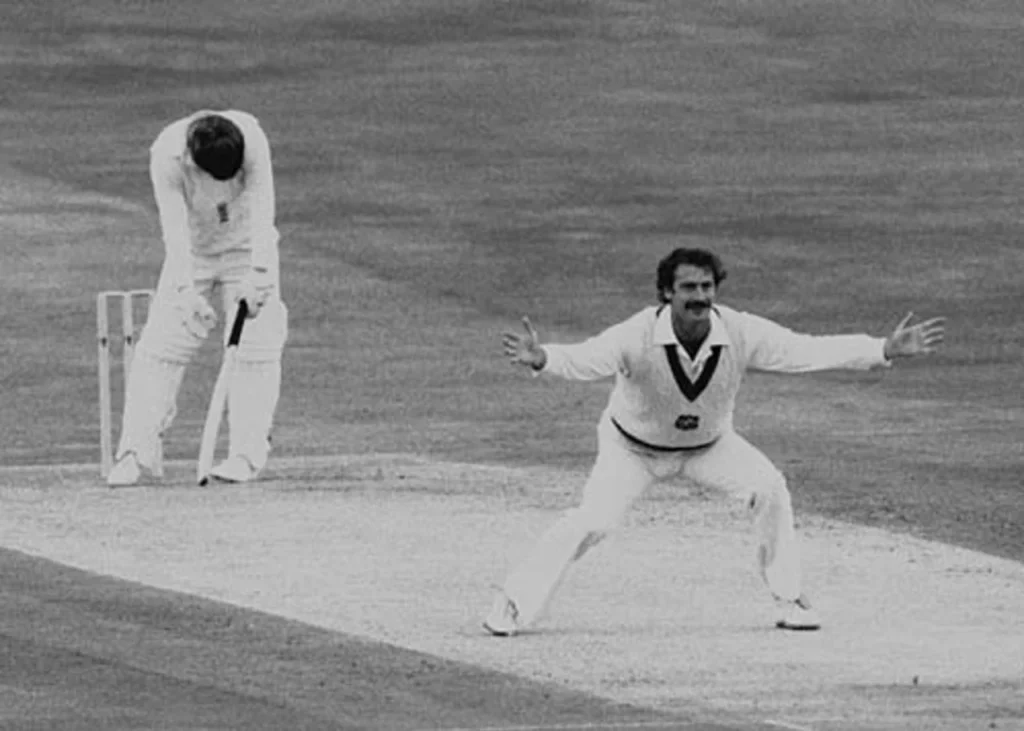
Dennis Lillee claims the number one position in the Best Bowling Economy Rates by Australia vs India in ODIs ranking with an extraordinary economy rate of only 0.60. Representing Australia against India at Sydney on January 8, 1981, Lillee bowled five overs and conceded just three runs while taking one wicket. He also bowled two maiden overs, further demonstrating his control over India’s scoring. Conceding only three runs in five overs is a remarkable achievement and gives Lillee the lowest economy rate among the performances listed here. His ability to maintain such accuracy meant that India had very few opportunities to score during his spell. Although his wicket tally was one, his extremely low number of runs conceded made the performance highly significant. Lillee’s 0.60 economy rate places him firmly at the top of the Best Bowling Economy Rates by Australia vs India in ODIs ranking. His figures remain an excellent illustration of how a bowler can influence an ODI innings by consistently denying scoring opportunities and building pressure delivery after delivery.
| Overs | Mdns | Runs | Wkts | Econ |
| 5.0 | 2 | 3 | 1 | 0.60 |
The Best Bowling Economy Rates by Australia vs India in ODIs ranking shows how some of the greatest bowlers from both sides have used accuracy and pressure to restrict strong batting line-ups. Dennis Lillee leads the list with an exceptional economy rate of 0.60, followed by Glenn McGrath at 0.80 and Kapil Dev at 0.83. Craig Rackemann also produced a remarkable spell below one run per over, while several other bowlers recorded economy rates around or below 1.50. The list includes performances from different eras, showing that economical bowling has always been an important part of Australia vs India ODI cricket. The Best Bowling Economy Rates by Australia vs India in ODIs figures also demonstrate that a bowler does not always need a huge wicket tally to make a major contribution. Restricting runs, bowling maiden overs and maintaining pressure can have a major effect on an innings. These ten performances therefore provide a useful historical look at some of the most economical spells in the rivalry.